
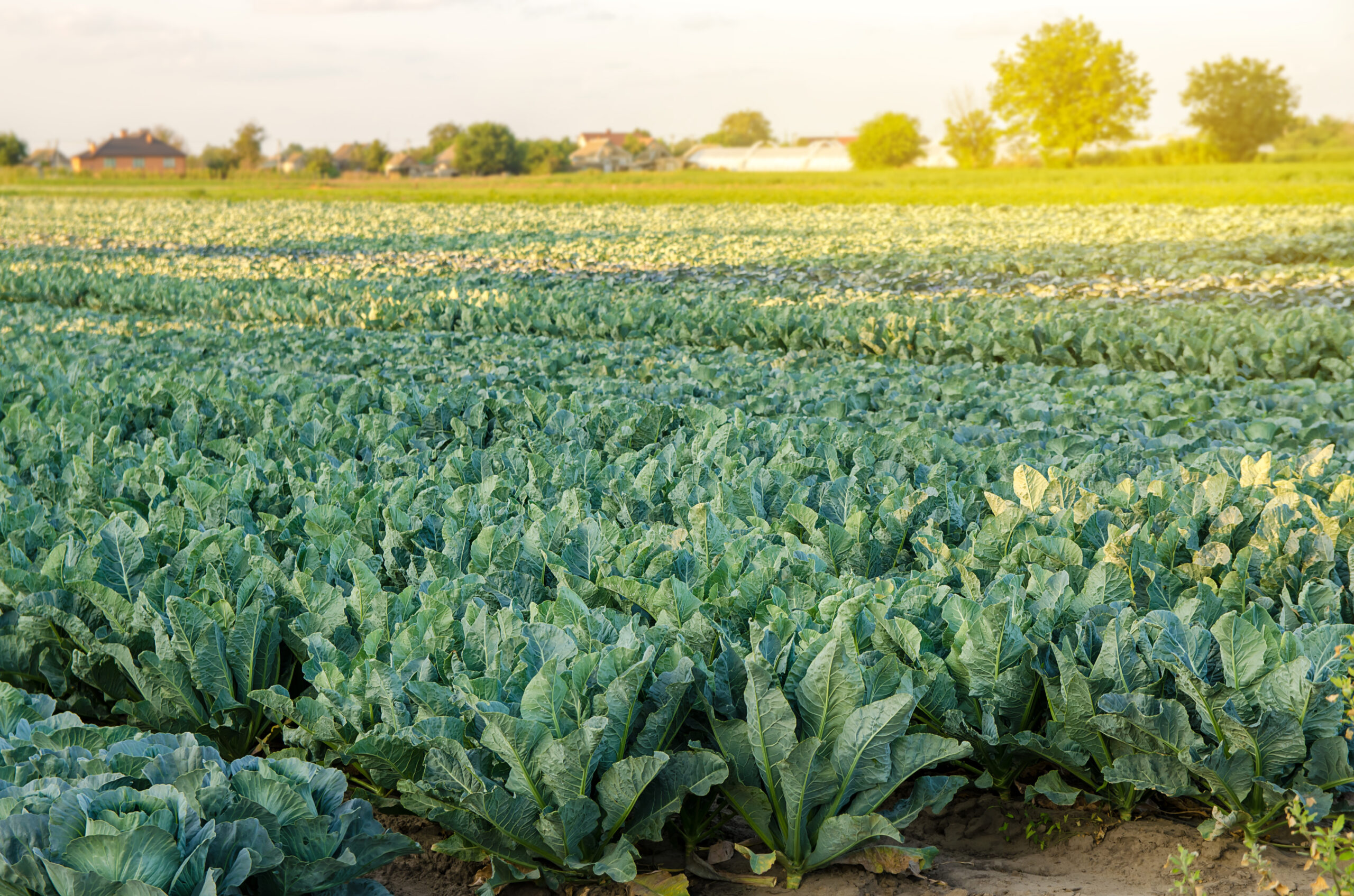
Demonstrating Proactive Nitrogen Stewardship in California Vegetable Crops
Moving Beyond Fertilizer Records
California vegetable growers operate in one of the most productive agricultural regions in the world, but they also face increasing expectations to demonstrate responsible nutrient management and groundwater stewardship. Across many growing regions, nutrient reporting requirements and sustainability initiatives are shifting the focus from simply documenting fertilizer applications to demonstrating how nitrogen is managed throughout the season.
For decades, nutrient management records have centered on inputs—what fertilizer was applied, when it was applied, and at what rate. While these records remain important, they tell only part of the story. They document management actions, but they do not reveal what happened to nitrate after it entered the soil.
Understanding Nitrogen’s Journey
Nitrate is highly mobile and constantly influenced by environmental conditions. Irrigation events, rainfall, soil texture, root activity, microbial processes, and soil oxygen levels all affect how nitrate moves and transforms within the soil profile. As a result, two fields receiving identical fertilizer applications can experience very different outcomes.
This creates an important challenge for growers. While fertilizer records can verify that nutrients were applied responsibly, they cannot confirm whether those nutrients remained available to the crop, were efficiently utilized, or moved beyond the root zone. Historically, answering these questions required periodic soil sampling and laboratory analysis, providing only occasional snapshots of conditions that may have changed significantly between samples.
From Input Tracking to Stewardship Documentation
As regulatory agencies, water districts, food companies, and consumers place greater emphasis on environmental stewardship, growers increasingly need ways to demonstrate not only what they applied, but how those nutrients behaved in the field.
Continuous nitrate monitoring provides a new level of visibility into nitrogen management. Rather than relying solely on application records and periodic sampling, growers can directly observe nitrate concentrations in the soil throughout the season. This allows them to understand whether nitrogen is present when crops need it, whether it is being utilized efficiently, and whether irrigation or weather events are influencing nitrate movement through the soil profile.
The result is a transition from documenting inputs to documenting outcomes.
A Typical Vegetable Crop Example
Consider a vegetable field receiving a spring nitrogen application through fertigation. Traditional records might document the application date, fertilizer source, nitrogen rate, and irrigation schedule. These records establish that management actions occurred, but they do not show how the nitrogen behaved afterward.
With continuous nitrate monitoring, growers can observe nitrate concentrations increase within the active root zone following application. As the crop develops, they can track how nitrate levels change over time, providing insight into crop uptake and nutrient utilization. If nitrate begins moving deeper into the profile following an irrigation event, that movement can be identified early, allowing management adjustments before significant losses occur.
This additional layer of information helps answer a critical question that fertilizer records alone cannot address: Did the applied nitrogen remain available to the crop?
Demonstrating Proactive Management
One of the greatest benefits of continuous monitoring is the ability to document proactive management decisions. Rather than reacting to problems after they occur, growers can use real-time information to optimize fertigation timing, maintain adequate nitrate availability during critical growth stages, and identify potential leaching risks before they become significant.
Continuous monitoring also provides a more complete understanding of nitrogen use efficiency. By tracking nitrate availability alongside crop development and irrigation practices, growers can better evaluate whether applied nutrients are contributing to crop production or remaining unused within the soil profile.
This transforms nutrient management from a recordkeeping exercise into an active management process supported by field-based measurements.
Supporting Groundwater Protection and Sustainability Goals
California growers have made substantial investments in precision irrigation systems, fertigation technologies, soil health practices, and nutrient management planning. These efforts are designed to improve efficiency while protecting valuable water resources.
Continuous nitrate monitoring complements these investments by providing direct measurements of nitrate behavior below the soil surface. Rather than relying solely on assumptions about nutrient movement, growers can document how management decisions influence nitrate retention, availability, and utilization throughout the season.
This level of visibility strengthens stewardship programs and helps demonstrate a commitment to both productivity and environmental responsibility.
The Future of Nutrient Stewardship
The future of nutrient management will be defined not only by the amount of fertilizer applied, but by how effectively that fertilizer is managed after application. As expectations for accountability and resource efficiency continue to grow, the ability to document nitrogen behavior in real time will become increasingly valuable.
Crophesy LS-N helps bridge the gap between nutrient applications and nutrient outcomes by providing continuous visibility into nitrate movement, availability, and utilization within the soil profile. For California vegetable growers, this creates an opportunity to strengthen nitrogen management programs, improve nitrogen use efficiency, and demonstrate proactive stewardship with a level of confidence that traditional reporting methods alone cannot provide.
The conversation is evolving from “What nitrogen was applied?” to “What happened after it was applied?” For growers focused on long-term productivity and groundwater protection, that distinction may represent the next major advancement in nutrient management.