Tight Margins, Wet Fields, Expensive Nitrogen: How Eastern Corn Belt Growers Can Stay Ahead in 2026
Spring 2026 is shaping up to test even the most disciplined operators across the Eastern Corn Belt.
Margins are tight. Fields are wet. And nitrogen—arguably your most critical input—is both expensive and increasingly difficult to time correctly.
The Reality: A Compressed, High-Stakes Season
This year’s challenges aren’t isolated—they’re compounding.
Global fertilizer markets remain volatile. Roughly half of global urea exports and ~30% of ammonia exports originate from regions vulnerable to geopolitical disruption. That concentration is showing up directly in your input bill.
In just two weeks earlier this season, urea prices jumped ~26%, moving from ~$469 to ~$594 per metric ton. That kind of swing doesn’t just hurt—it removes margin flexibility.
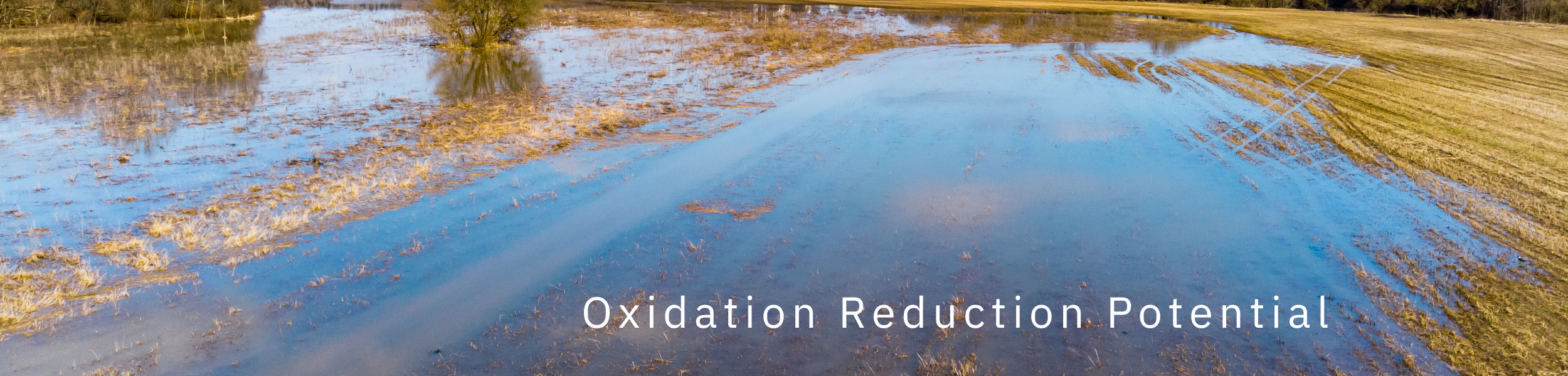
At the same time, persistent wet conditions across the Eastern Corn Belt are:
- Delaying field access
- Compressing planting windows
- Increasing the risk of poorly timed nutrient applications
This creates a fundamental tension:
You need to move fast—but mistakes are more expensive than ever.
The Hidden Risk: Nitrogen Timing, Not Just Nitrogen Price
Most conversations focus on fertilizer cost. But in a year like this, timing risk may be more damaging than price risk.
Wet soils introduce three major nitrogen loss pathways:
- Leaching – Nitrate moving below the root zone
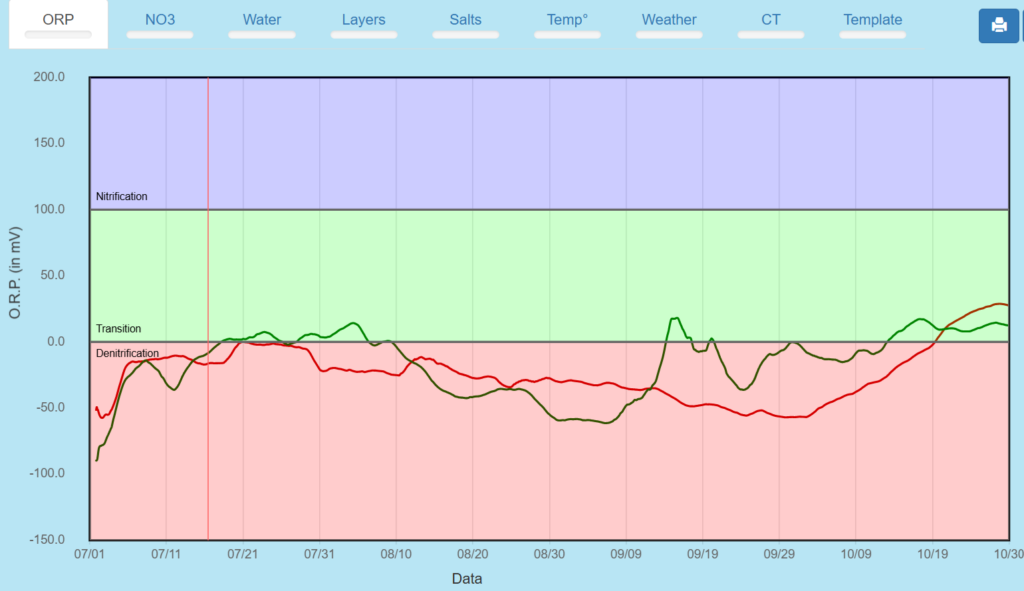
- Denitrification – Nitrogen lost as gas under saturated, low-oxygen conditions
- Volatilization – Surface-applied N lost before incorporation
When applications are forced into narrow windows, the probability of hitting one of these loss mechanisms increases sharply.
In practical terms:
- A poorly timed application can erase the value of high-priced nitrogen
- Re-application may not be economically viable given current prices
- Yield potential becomes more dependent on in-season decisions than pre-season plans
The 2026 Playbook: Shift from Schedule-Based to Signal-Based Decisions
This is not the year to rely on calendar-based management.
Instead, top-performing growers are shifting toward adaptive, in-season decision frameworks built around three core signals:
1. Soil Moisture (Trafficability + Risk)
Before any operation—planting, sidedress, or fertigation—ask:
- Is the field fit, or am I forcing compaction?
- If I apply today, what is the probability of loss in the next 72 hours?
Key shift: Avoid “getting it done” at the expense of soil structure or nutrient retention.
2. Nitrogen Status (Supply vs Demand)
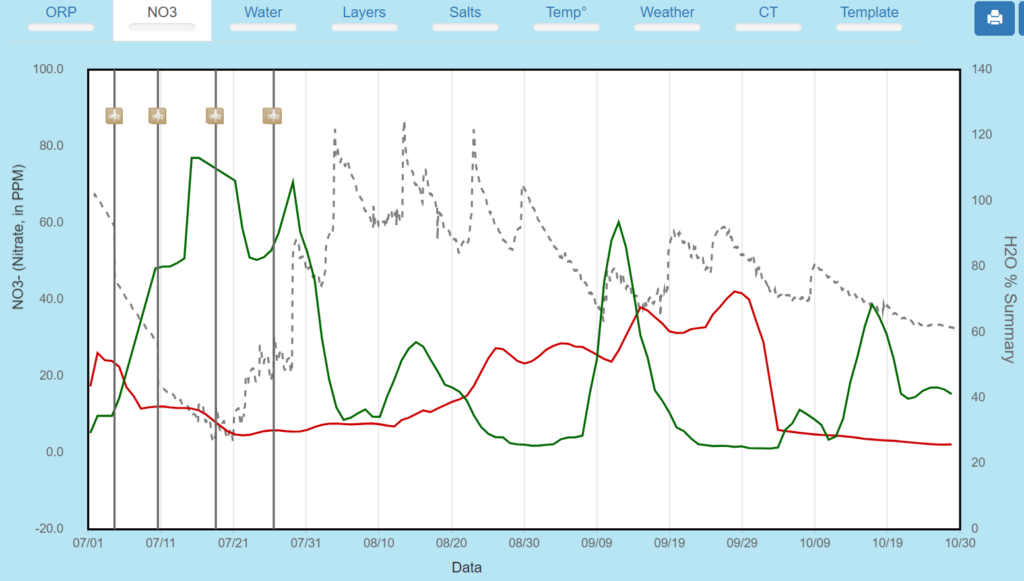
The traditional assumption—“apply and it’s there when needed”—is breaking down in wet years.
Instead, growers need to understand:
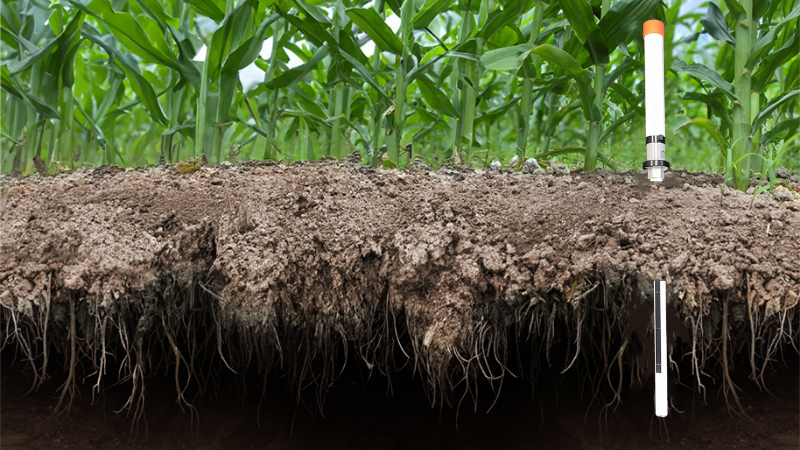
- What nitrogen is actually available in the root zone today?
- How fast is the crop taking it up?
- How quickly is it being lost?
Key shift: Treat nitrogen as a dynamic inventory, not a fixed input.
3. Weather-Driven Risk Windows
In a delayed season, weather volatility matters more than averages.
Critical questions:
- Is a heavy rain event coming within 48–72 hours?
- Are soils trending toward saturation?
- Is there a window to apply and retain nutrients?
MORE READING: Reducing Fertilizer Runoff Naturally: Practical Strategies to Protect Waterways
Key shift: Time applications around risk avoidance, not just operational convenience.
Practical Adjustments for This Season
Given current conditions, several tactical shifts can improve outcomes:
Split Applications Become Non-Negotiable
If you’re still front-loading nitrogen, you’re increasing exposure.
- Reduce upfront rates
- Preserve flexibility for in-season adjustment
- Align applications with crop uptake stages
Protect Every Pound of Nitrogen
At $600/ton urea equivalents, efficiency is everything.
- Use stabilizers where appropriate
- Avoid applications ahead of major rain events
- Prioritize placement methods that reduce exposure
Shorten Decision Cycles
Weekly decision-making may not be sufficient this year.
- Conditions are changing too quickly
- Loss events happen in hours, not weeks
- Opportunities (and risks) are highly time-sensitive
The Strategic Mindset: Precision Under Pressure
This season isn’t about doing more—it’s about making fewer, better-timed decisions.
Growers who outperform in 2026 will:
- Stay flexible rather than locked into pre-season plans
- Delay decisions when conditions are wrong
- Act quickly when conditions align
- Use real-time insight to reduce uncertainty
MORE READING: Nutrient Management in Agriculture
Final Thought
In a normal year, efficiency gains are incremental.
In a year like this, timing is profit.
When nitrogen is expensive and the weather is working against you, the growers who win aren’t the ones who apply the most—they’re the ones who apply at the right moment, under the right conditions, with the least risk of loss.
Contact Sales today to place a spring order for Crophesy LS-N real time nutrient management intelligence.